Utlysing - Revolusjon (#01/2026)
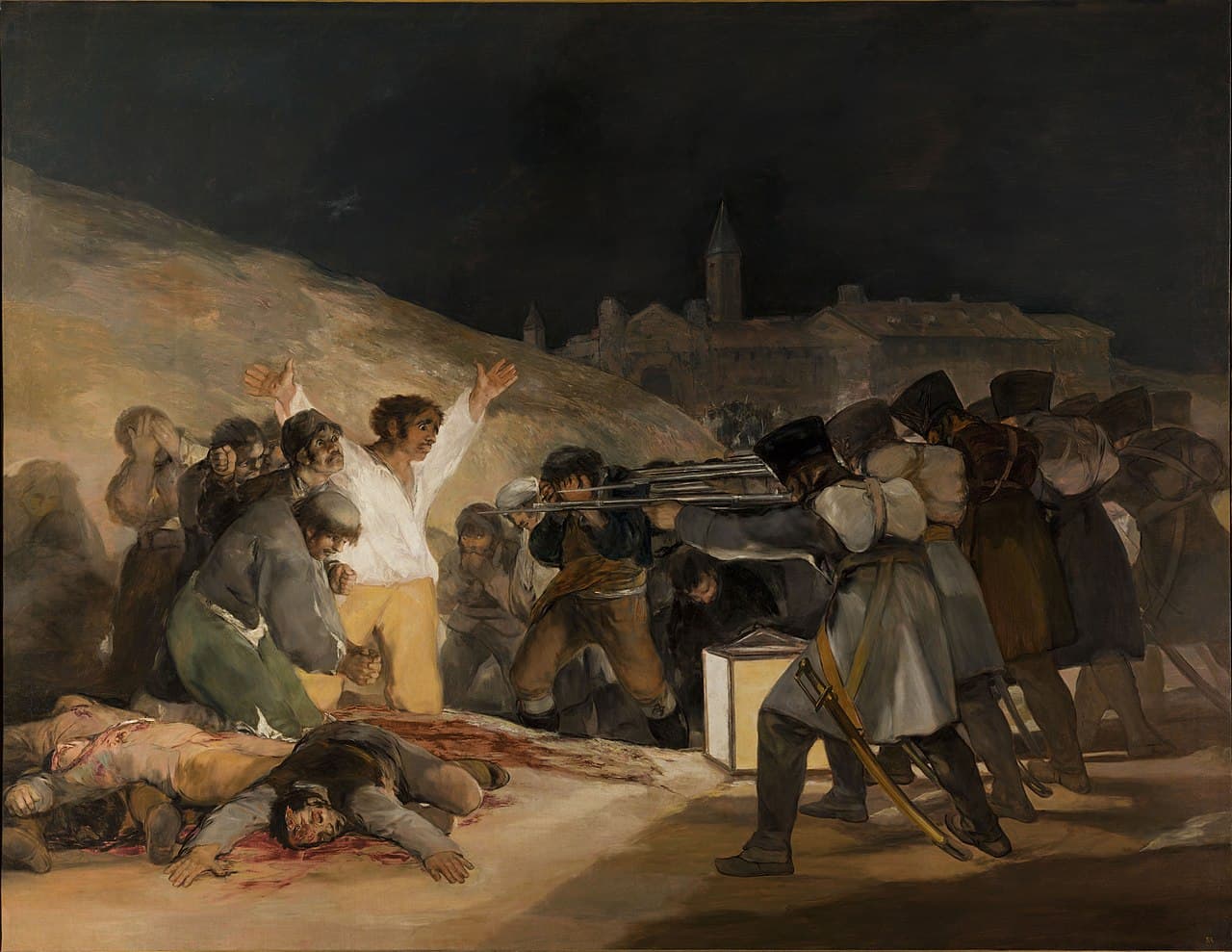
REVOLUSJON (#1/2026)
Føniksens ånd må sette fyr på sin kropp for å gjenfødes fra sin aske. Den gjenfødte føniks blir svøpt i asken til dens forgjenger, det blir den nye begynnelse sin lærepenge. Fortellingen om revolusjon speiler myten om føniksen, slik begge har viljen til å brenne det gamle for å føde det nye.
Revolusjoner blir ofte tenkt som politiske. Mange hevder at det fins andre former for revolusjoner: kunstneriske, vitenskapelige, til og med amorøse, men aller viktigst for oss: filosofiske revolusjoner. Det fins også flere typer: kontra-, feilede, ikke- og vellykkede revolusjoner – hva enn det sistnevnte betyr. I denne utgaven av Filosofisk Supplement ønsker vi bidrag som passer til hva enn en revolusjon er.
Filosofien er tvetydig. Mens noen vil hevde at deres filosofi hersker, så kan en beretning og et tydelig spørsmål fort revolusjonere situasjonen: det er en ny hersker! Dette demonstrerer filosofiens evne til å avdekke: til å kastrere og kutte tullet. Til og med kanon og tradisjon for hvordan man driver filosofi er noe som en revolusjon kanskje vil motstå. Aktuelle temaer kan for eksempel være politiske revolusjoner, vitenskapelige revolusjoner, sosiale revolusjoner, kulturelle revolusjoner, religiøse revolusjoner eller filosofiske revolusjoner. Selv om vi har ideer, så er det vanskelig å avgjøre hva en sann revolusjon er...
Vil du bidra med en tekst eller illustrasjon? Send en e-post med idéutkast, skisse eller ferdig tekst til bidrag@filosofisksupplement.no. Vi oppfordrer særlig studenter til å sende inn sine bidrag. Vi tar også inn bidrag fra andre fagdisipliner, så lenge teksten beskjeftiger seg med et filosofisk tema, én eller flere spesifikke filosofer, eller på andre måter kan sies å ha en filosofisk brodd. Alle innsendte bidrag leses anonymt i tråd med «blind review». Det vil si at inntil teksten eventuelt blir godkjent av redaksjonen vil forfatterens identitet holdes skjult for leserne og omvendt. Dersom teksten blir refusert, vil forfatterens identitet forbli hemmelig. Dette er for å kvalitetssikre lesingen og senke terskelen for innsending. Til info bruker vi Chicago 17 forfatter-år som referansestil.
Innsendingsfrist: 1. mars
I tillegg ønsker vi at det følgende legges ved utkast:
- Ingress på cirka 100 ord i begynnelsen av teksten
- Forfatterinformasjon (eksempel: «Ernst Spinoza (f. 1998) er masterstudent i filosofi ved UiB.»)
- Adresse (slik at vi vet hvor ditt eksemplar skal sendes dersom teksten din blir godkjent)
REVOLUTION (#1/2026)
The spirit of the Phoenix must burn its body to be reborn from its ashes. The reborn phoenix gets swaddled in the ashes of its predecessor, it becomes the bitter lesson for the new beginning. The tale of revolution mirrors the myth of the Phoenix, as both have the will to burn the old to birth the new.
Revolutions are often thought of as political. There are several types of revolutions: artistic, scientific, even amorous, but most importantly for us: philosophical revolutions. There are several kinds of revolutions: contra-, failed, non- and successful ones – what ever the latter might mean. In this edition of Filosofisk Supplement, we want contributions that fit within what ever a revolution might really mean.
As it is with philosophy, it is up for grabs. While some might claim their philosophy rules, an assessment and a precise question can quickly revolutionize the situation: there’s a new ruler! This demonstrates philosophy’s ability to disclose: to castrate and cut the mess. Even the canon and tradition of how to do philosophy is something which a revolution might resist. Relevant topics can be, for example, political revolutions, scientific revolutions, social revolutions, cultural revolutions, religious revolutions or philosophical revolutions. Even though we have ideas, it is difficult to determine what a true revolution is...
Would you like to contribute a text or illustration? Send an email with an idea draft, sketch, or completed text to bidrag@filosofisksupplement.no. We especially encourage students to submit their contributions. We also accept submissions from other disciplines, as long as the text engages with a philosophical theme, one or more specific philosophers, or can otherwise be said to have a philosophical edge. All submitted contributions are read anonymously in accordance with the principle of blind review. This means that until the text is potentially approved by the editorial board, the author’s identity will be kept hidden from the readers, and vice versa. If the text is rejected, the author’s identity will remain confidential. This is to ensure the quality of the review and to lower the threshold for submission. For reference style, we use Chicago 17 author-date.
Submission deadline: March 1
In addition, we ask that the following be included with the draft:
- An introduction of about 100 words at the beginning of the text
- Author information (example: “Ernst Spinoza (b. 1998) is a master’s student in philosophy at UiB.”)
- Address (so we know where to send your copy if your text is accepted)